
Description
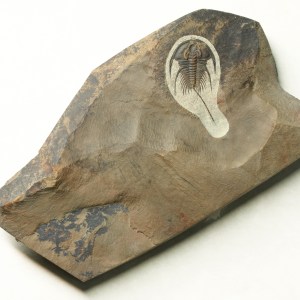
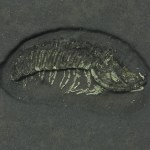
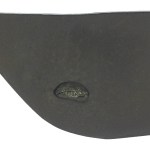
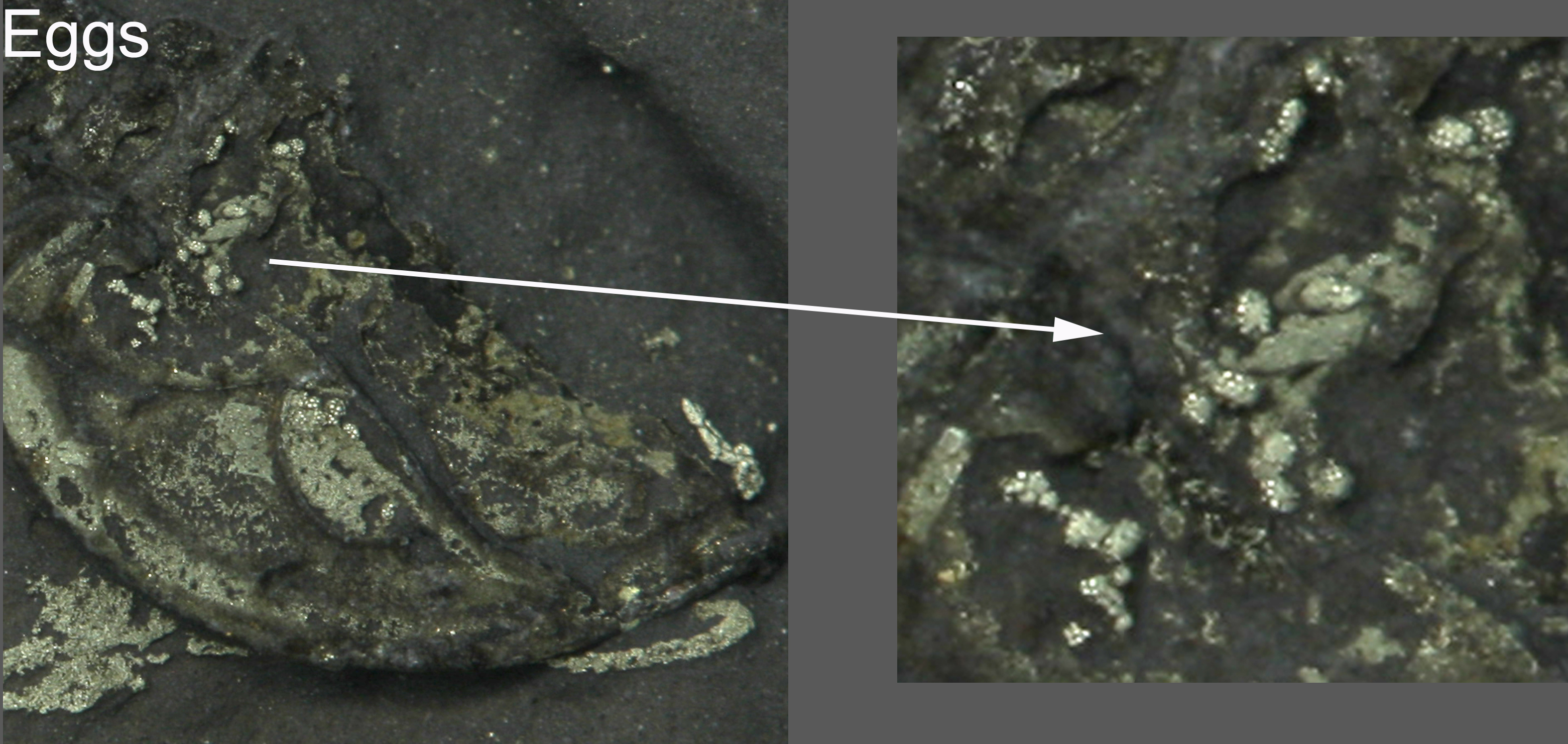
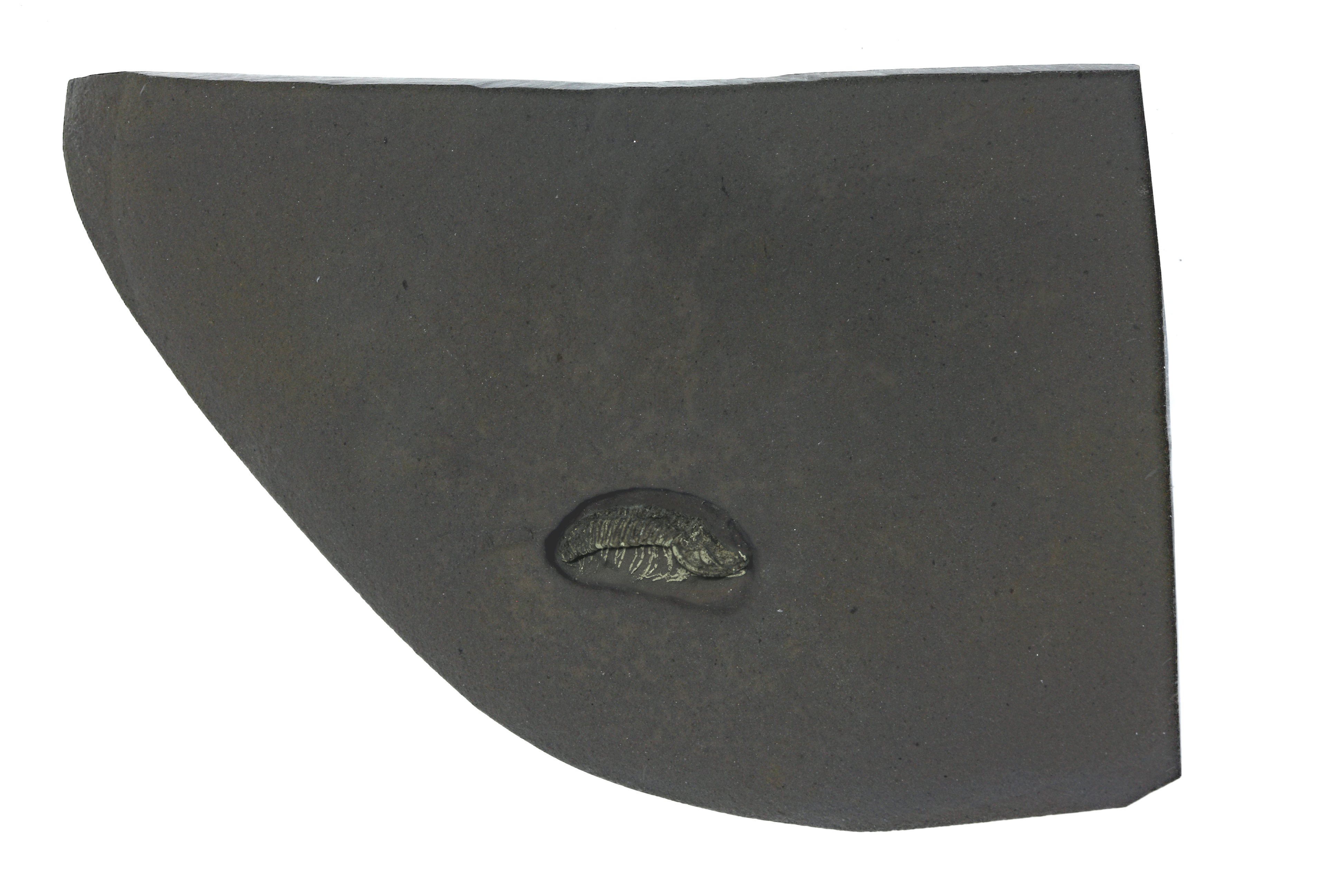
A remarkable display of exceptional preservation on this 1.7 cm lateral Triarthrus eatoni showing antennae, legs and eggs.Soft tissue preservation of legs & antennae is extremely rare in trilobites, with sites producing these specimens consistently numbering a handful or so across the planet.
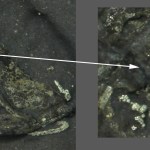
Trilobite reproductive evidence was speculative at best until 2017 when eggs were finally identified and published on (Pyritized in situ trilobite eggs from the Ordovician of New York, GEOLOGY, March 2017) in Triarthrus specimens from Beecher’s Trilobite Bed in New York State. The eggs are carried in and around the underside of the free cheek and portions of the upper cephalon.
While the Beecher’s Bed suite of rocks contains pyritized Triarthrus with preserved soft tissues, eggs extremely rare even in those specimens. Most specimens carrying eggs show 1-5 ovids, generally flattened and poorly shaped. In the case of this example there are over 20 eggs, with many retaining their inflated bulbous egg shape as they existed in life. The specimen also showcases well preserved legs and one swooping antenna, along with a robust pyrite eye. The eggs are quite vivid even at a distance due to their exceptional preservation. One of the finest examples of trilobites eggs.
Age: Late Ordovician
Species Name: Triarthrus eatoni
Order / Family: Ptychopariida / Olenidae
Locality: Oneida County, New York (Beecher’s Trilobite Bed)
Formation: Frankfort Shale