Olenellus chiefensis
Lower Cambrian
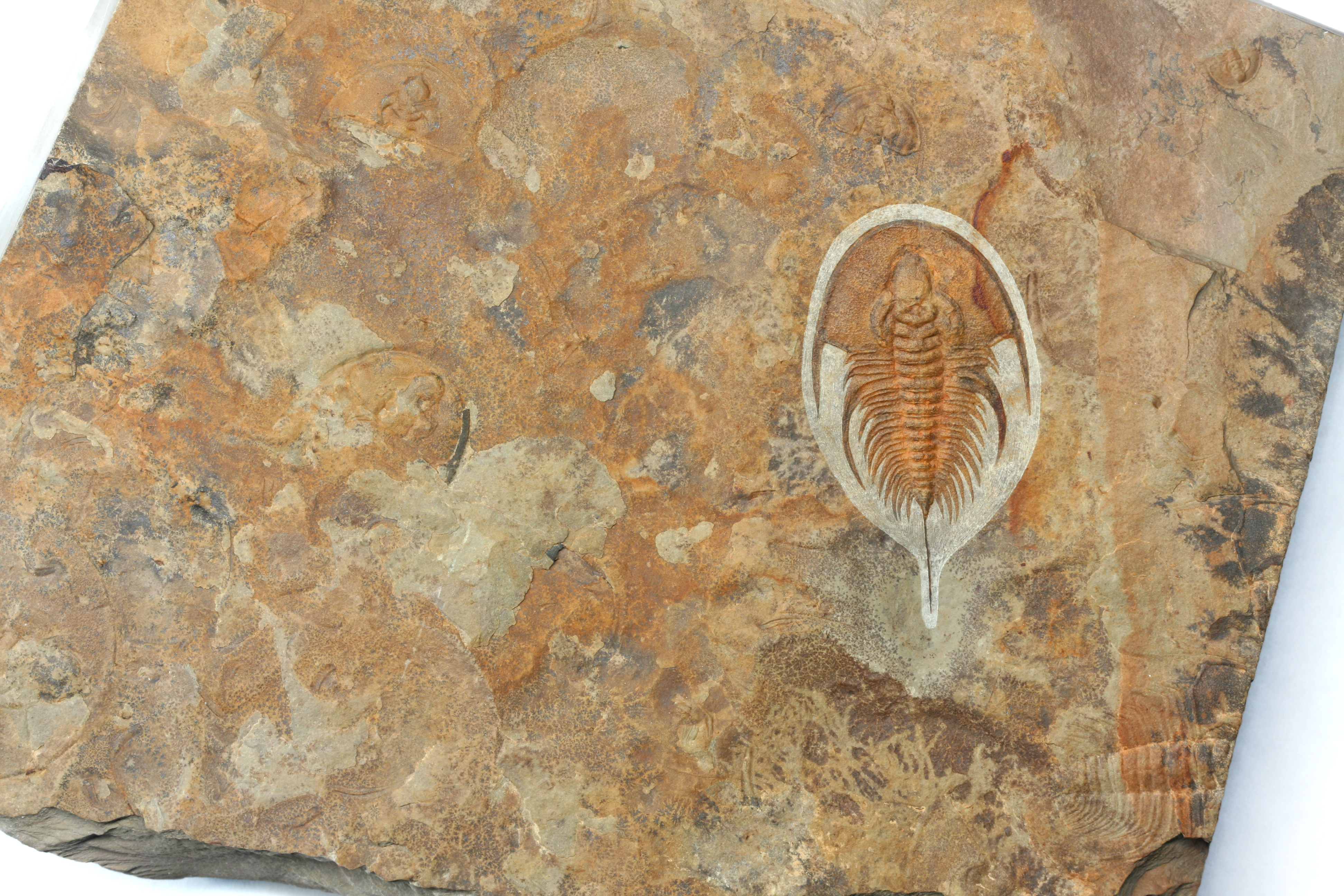
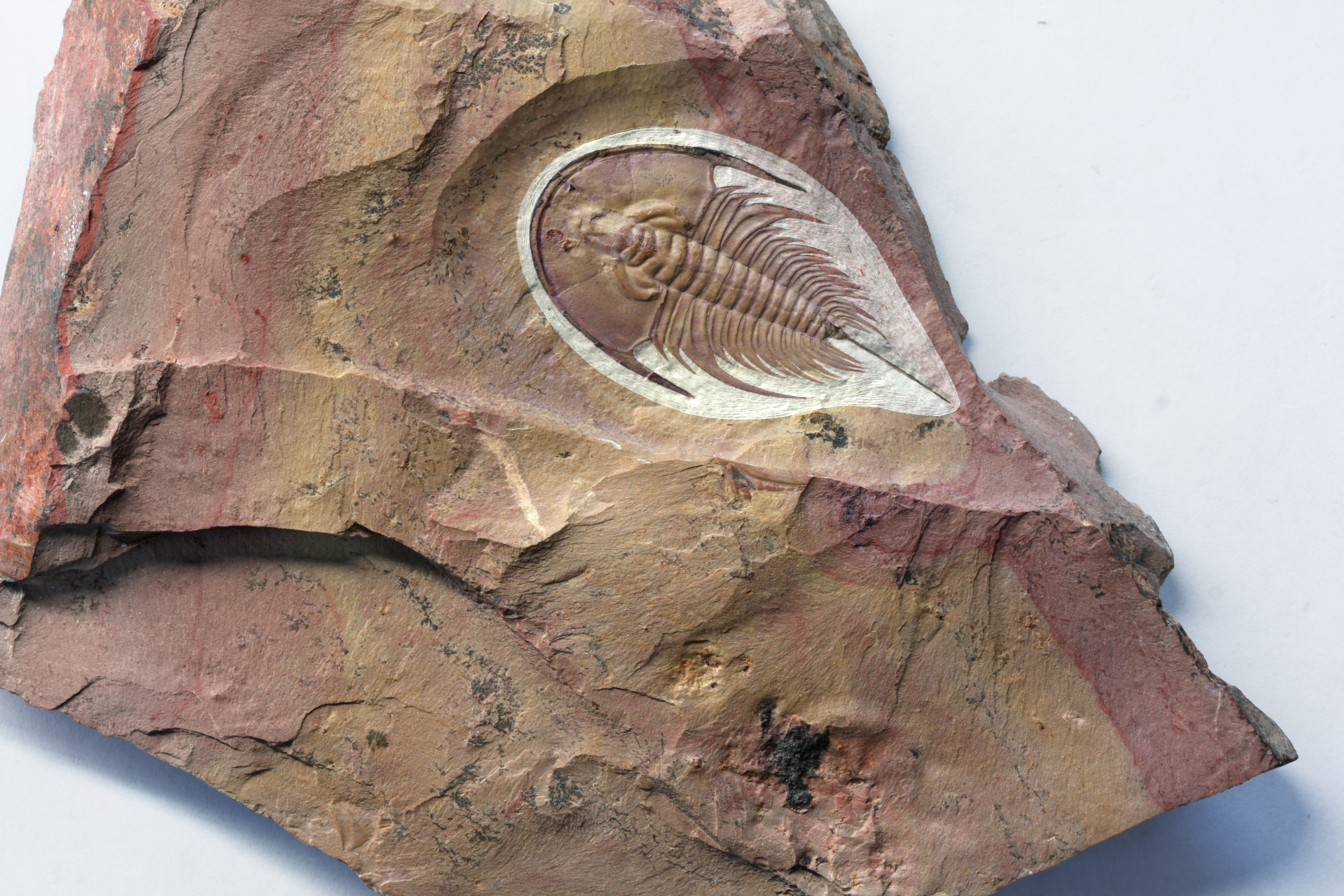
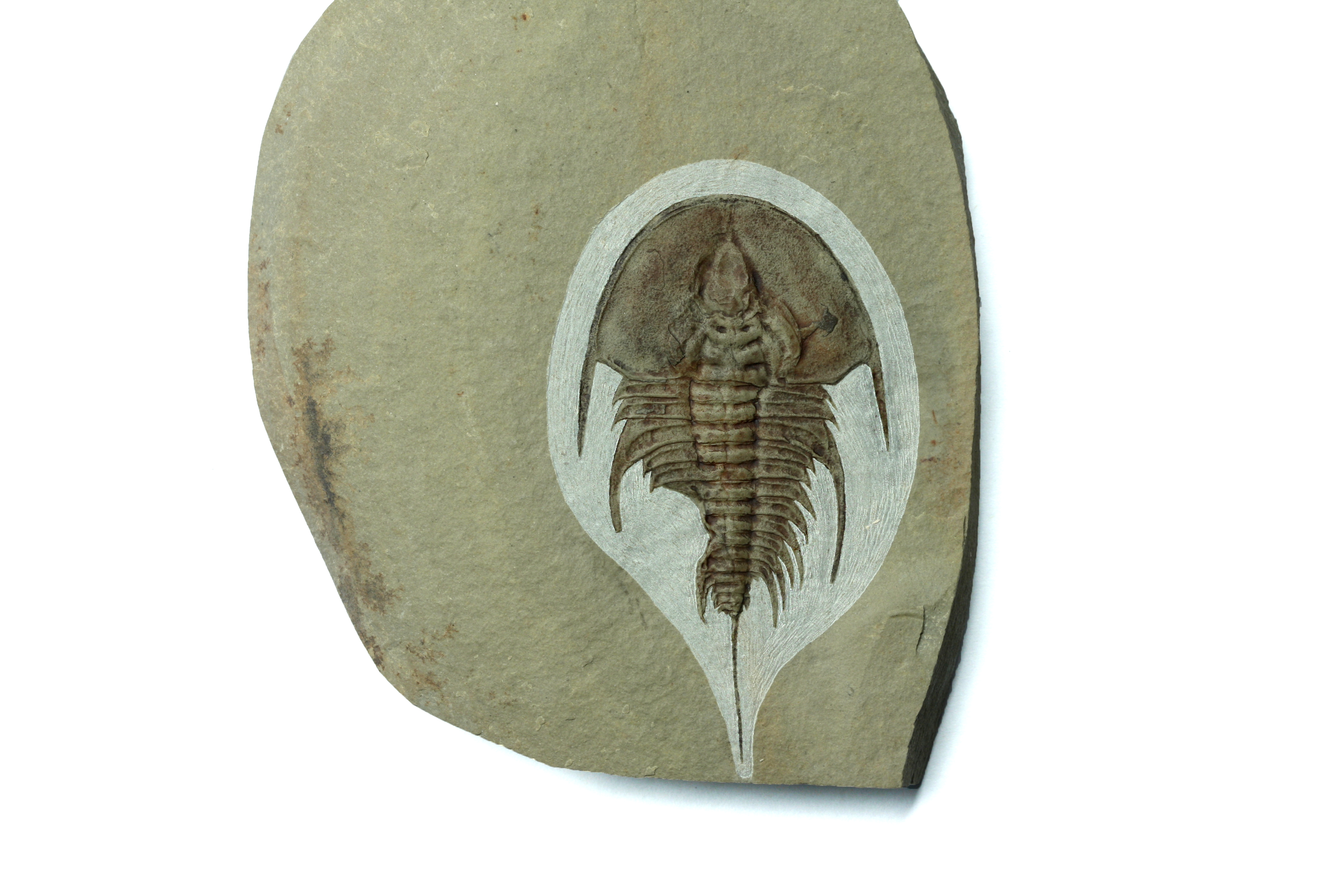
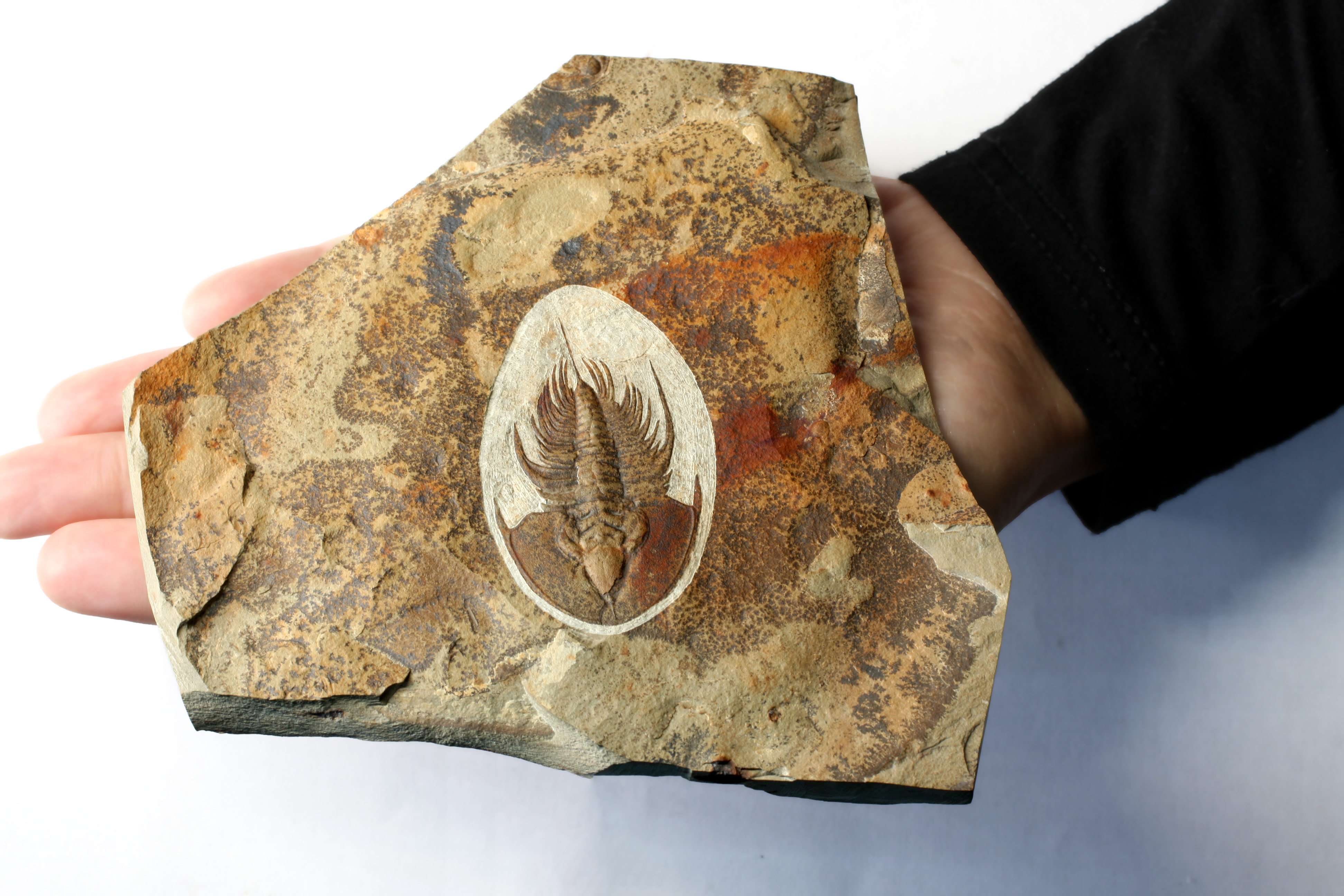
Olenellus chiefensis is perhaps one of the most isolated species of the late Lower Cambrian. Named for the Chief Range Mountains in Nevada, this species is unmistakable with its elongated cephalon, giving the species a spaceship-like appearance. Some have referred to them as looking fast. The species occurs in a very narrow zone and seems to disappear very quickly.
Perfect examples of O. chiefensis are uncommon, with large epic specimens very scarce. Targeting this species when digging was an exercise in futility as one would generally get every other species but.
Olenellus chiefensis escaped discovery and formal description until the end of the 20th Century, finally being formally described in 1998. The species is this author’s favorite. While there are many far more rare, more interesting with crazier morphology, there is something about Olenellus chiefensis that exemplifies the final adaptive success of the Olenellids. The Olenellids are a wonder in the fossil record-appearing out of the murky Lower Cambrian suddenly, with no obvious predecessor some 520 million years ago.
Species Overview
Olenellus chiefensis belongs to the genus Olenellus in the family Olenellidae (order Redlichiida, suborder Olenellina), representing one of the final classic trilobite lineages of the late Early Cambrian. It lived during the latest Dyeran stage (uppermost Olenellus Zone), approximately 515–510 million years ago, making it a key marker of the terminal phases of the Cambrian explosion’s great diversification of marine arthropods and the approaching olenellid extinction.

Classification
| Class | Trilobita |
| Order | Redlichiida |
| Suborder | Olenellina |
| Family | Olenellidae |
| Genus | Olenellus |
| Species | O. chiefensis |
Habitat And Environment
Olenellus chiefensis inhabited shallow, nearshore marine environments along the western margin of the paleocontinent Laurentia (present-day western United States), particularly in what is now eastern California and Nevada. Fossils are primarily preserved in siltstone and shale layers of the Carrara Formation and equivalent units of the Pioche Formation, which represent low-energy, subtidal to intertidal depositional settings with fine-grained sediments indicative of quiet, protected coastal waters. These habitats formed part of a broader epicontinental sea system, with soft, muddy substrates that supported late Dyeran benthic communities during the final stages of the Olenellus Zone.
Ecological Role And Lifestyle
As a typical olenelline trilobite, Olenellus chiefensis was a benthic epifaunal organism, living on the surface of the seafloor rather than burrowing deeply into the sediment. It is inferred to have been a mobile, low-level deposit feeder, actively crawling across the substrate to consume organic detritus, microbial films, and fine particulate matter — essentially acting as a seafloor scavenger or detritivore that contributed to nutrient recycling in the ecosystem. Its morphology supports this: a semi-circular cephalon with genal spines and a multi-segmented thorax suited for navigating soft bottoms. Like other trilobites, it underwent periodic molting (ecdysis), and fossil evidence often shows injuries or abnormalities, possibly from failed molts, predation, or environmental stress during this vulnerable phase.
Community Interactions
Olenellus chiefensis coexisted with other late Early Cambrian invertebrates in the uppermost Olenellus Zone, including Olenellus gilberti, Olenellus terminatus, Olenellus fowleri, Nephrolenellus geniculatus, and Bolbolenellus brevispinus. It formed part of a characteristic low- to moderate-diversity benthic assemblage that marked the end of the classic olenellid-dominated communities. Its role as a mobile detritivore positioned it as a primary consumer in this food web. The species is especially valuable for biostratigraphy, helping define the terminal layers of the Olenellus Zone just before the Dyeran–Delamaran transition.