



Description
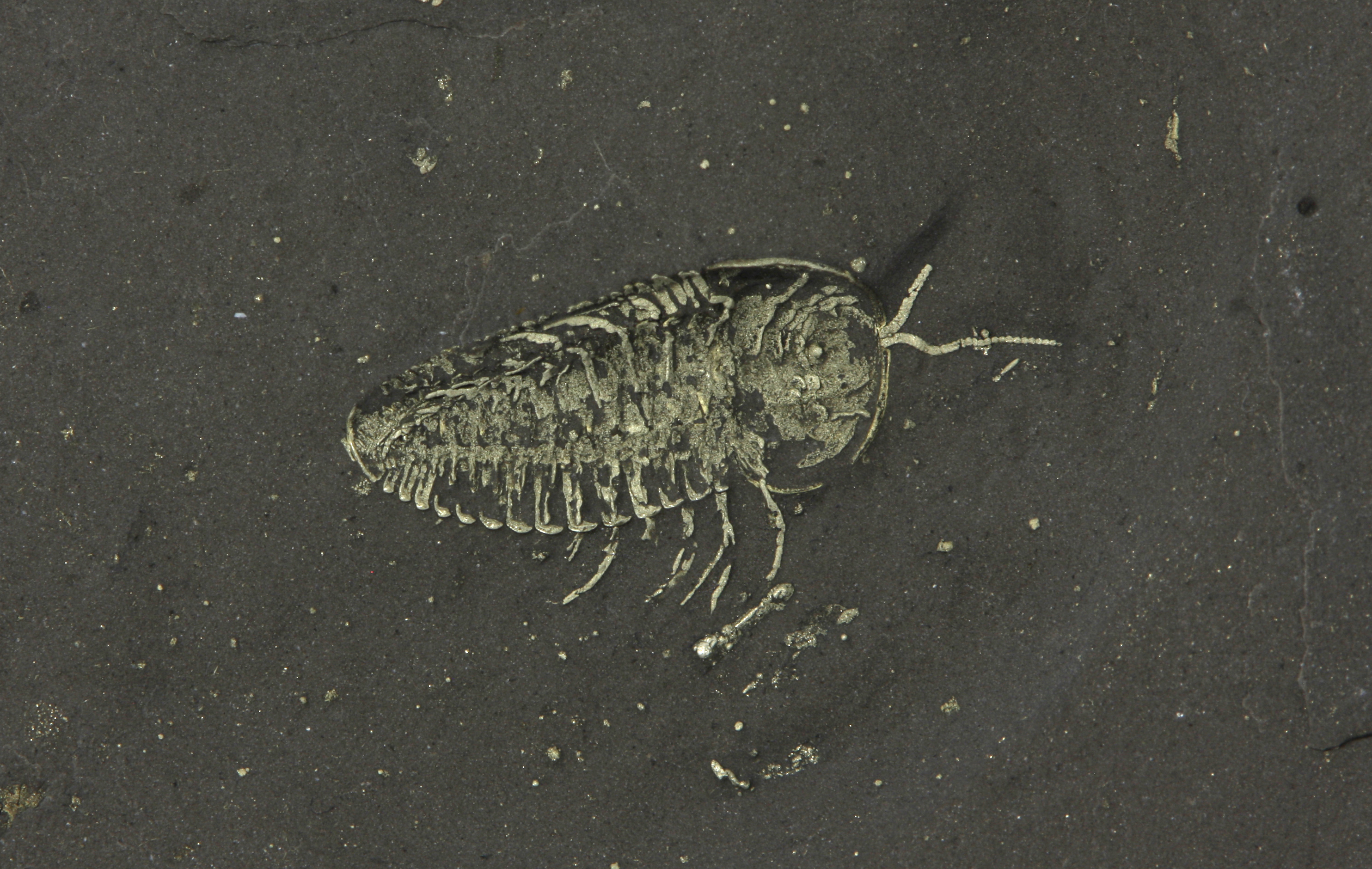
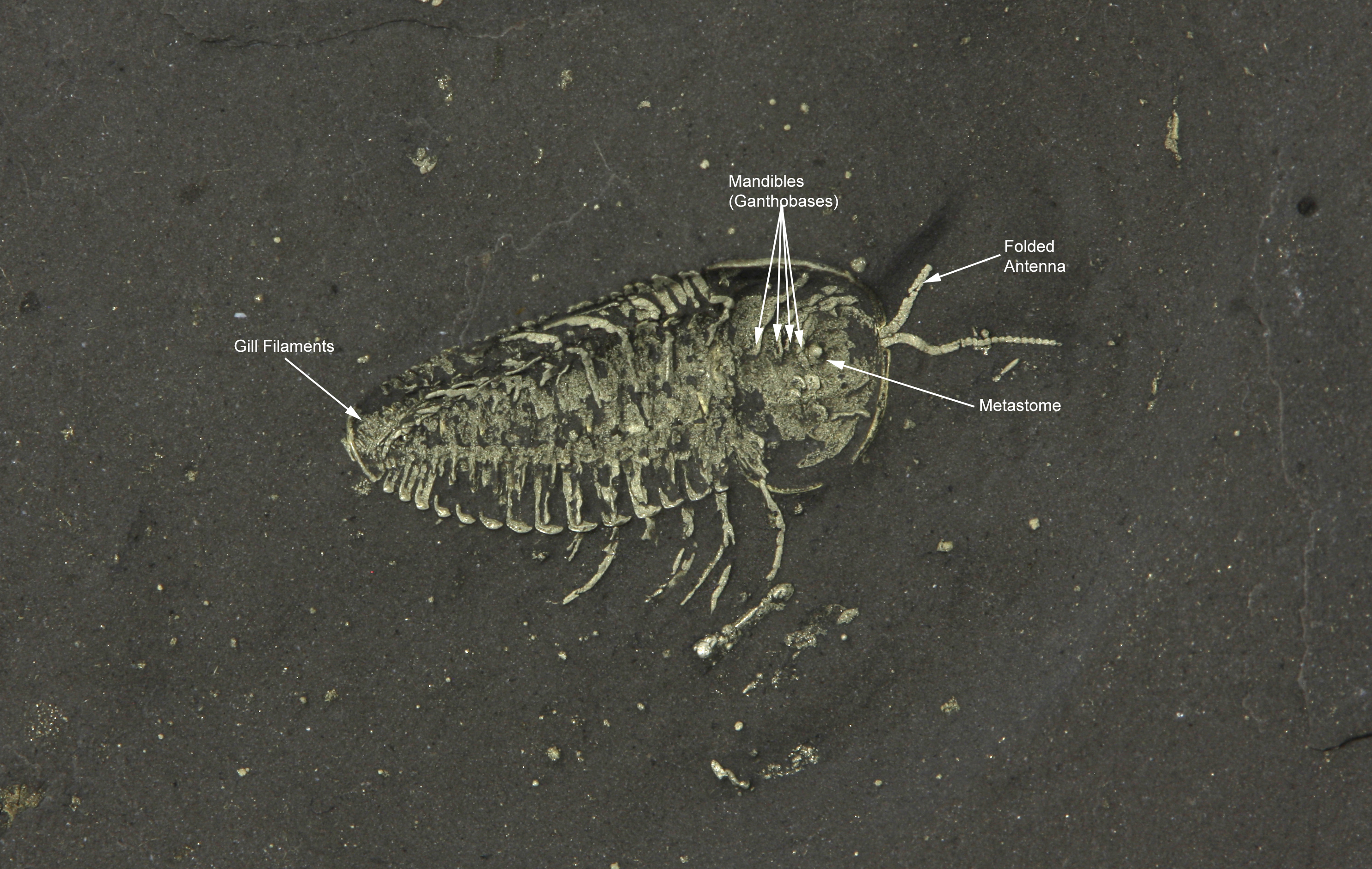
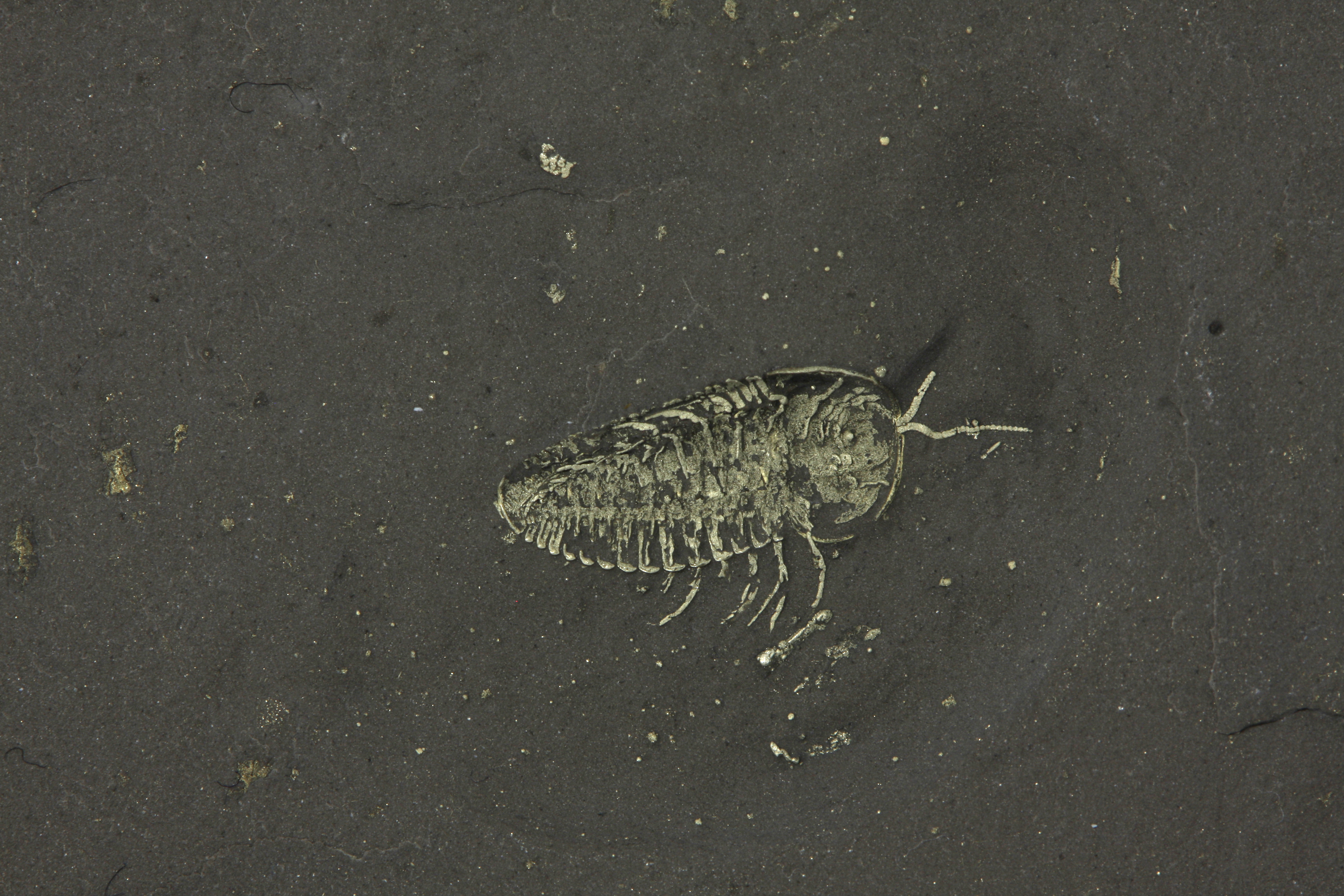
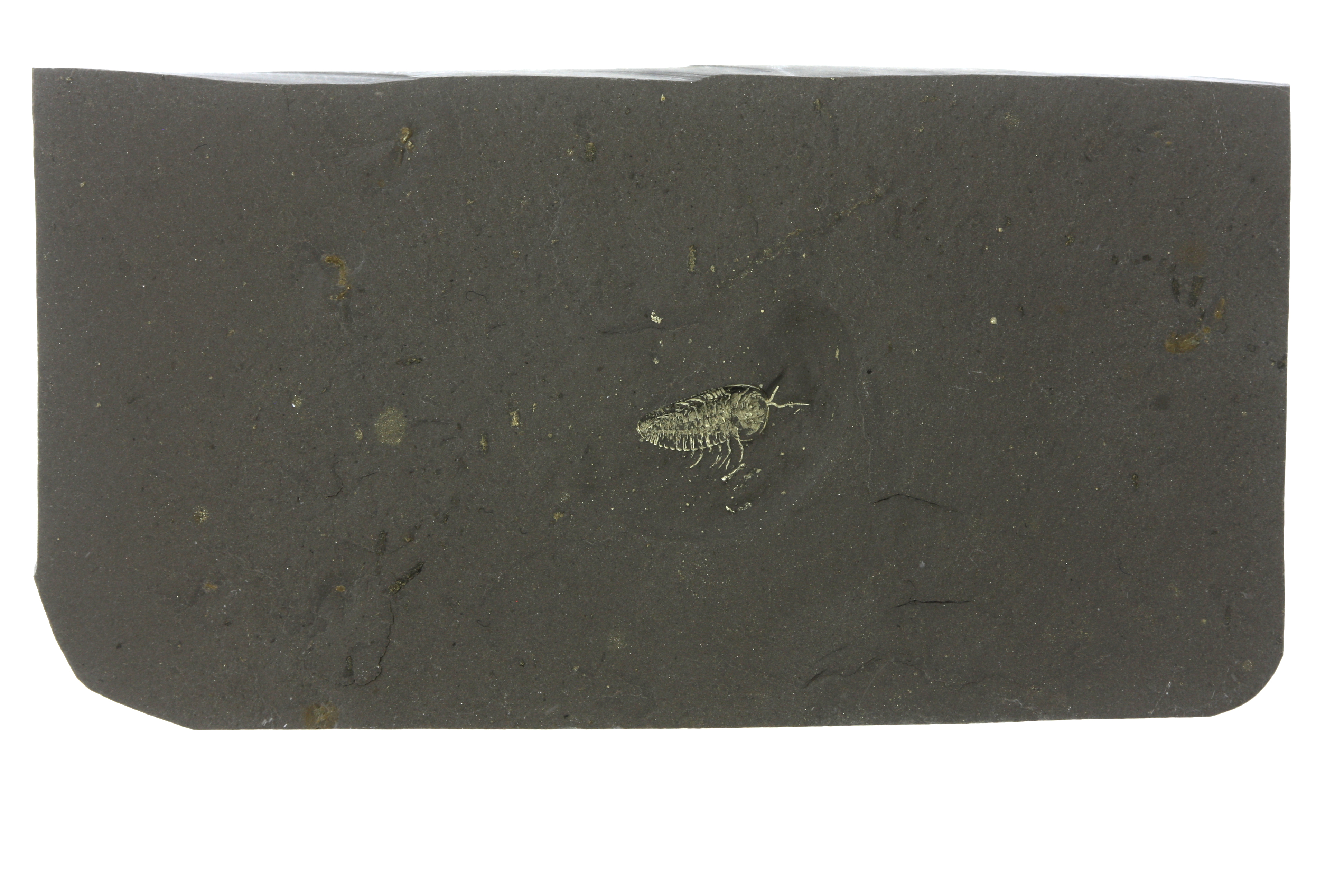
An extremely well preserved 1.3 cm Triarthrus eatoni with well preserved mandibles and rare “metastome”. This lateral/ventral positioned individual shows exceptional preservation of the business end of the trilobite where prey items met their final fate. A nicely stacked row of all four mandibles (called gnathobases) make for a formidable display of how trilobites actually crushed, eviscerated and ultimately ate their food. The row of four mandibles each have a toothy crushing/ripping surface at the inside edges. A rarely seen plate referred to sometimes as the “metastome, sits just at the front-most mandible just behind the hypostome and mouth opening. The metastome was likely somewhat soft and providing the trilobite with a surface similar to an anvil to assist its final control of the prey item pieces before consuming them. This specimen also features gill filaments and one antenna is folded over on itself. Unique specimen.
Age: Late Ordovician
Species Name: Triarthrus eatoni
Order / Family: Ptychopariida / Olenidae
Locality: Oneida County, New York (Beecher’s Trilobite Bed)
Formation: Frankfort Shale


