Incredibly Rare Hallucigenia-like Lobopod – Lower Cambrian USA OUT OF STOCK

–

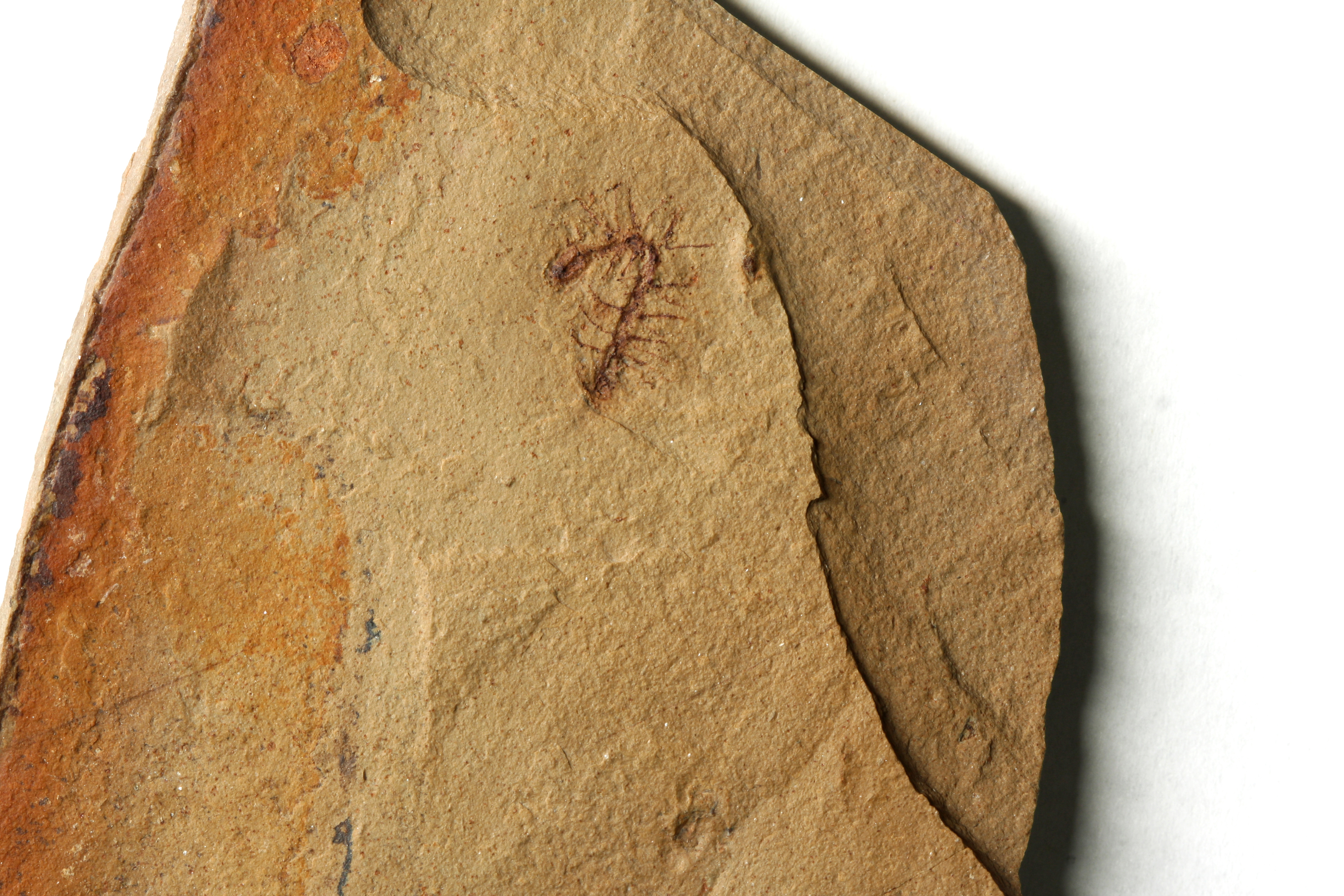
Few invertebrate fossils have the impact that lobopods do. Lobopods are so rare and so strange that its most well known genus – Hallucigenia – was named to reflect hallucination. This specimen is an undetermined lobopod species that comes from the Lower Cambrian (Stage 3) of the Poleta Formation in the remote mountains of Nevada. Soft bodied fossils are well known from the unit, especially radiodont appendages, phyllocarids and polychaete worms. This lobopod is extremely well preserved.

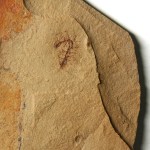
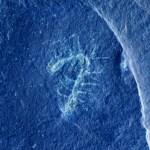
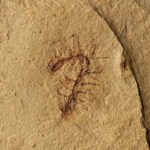
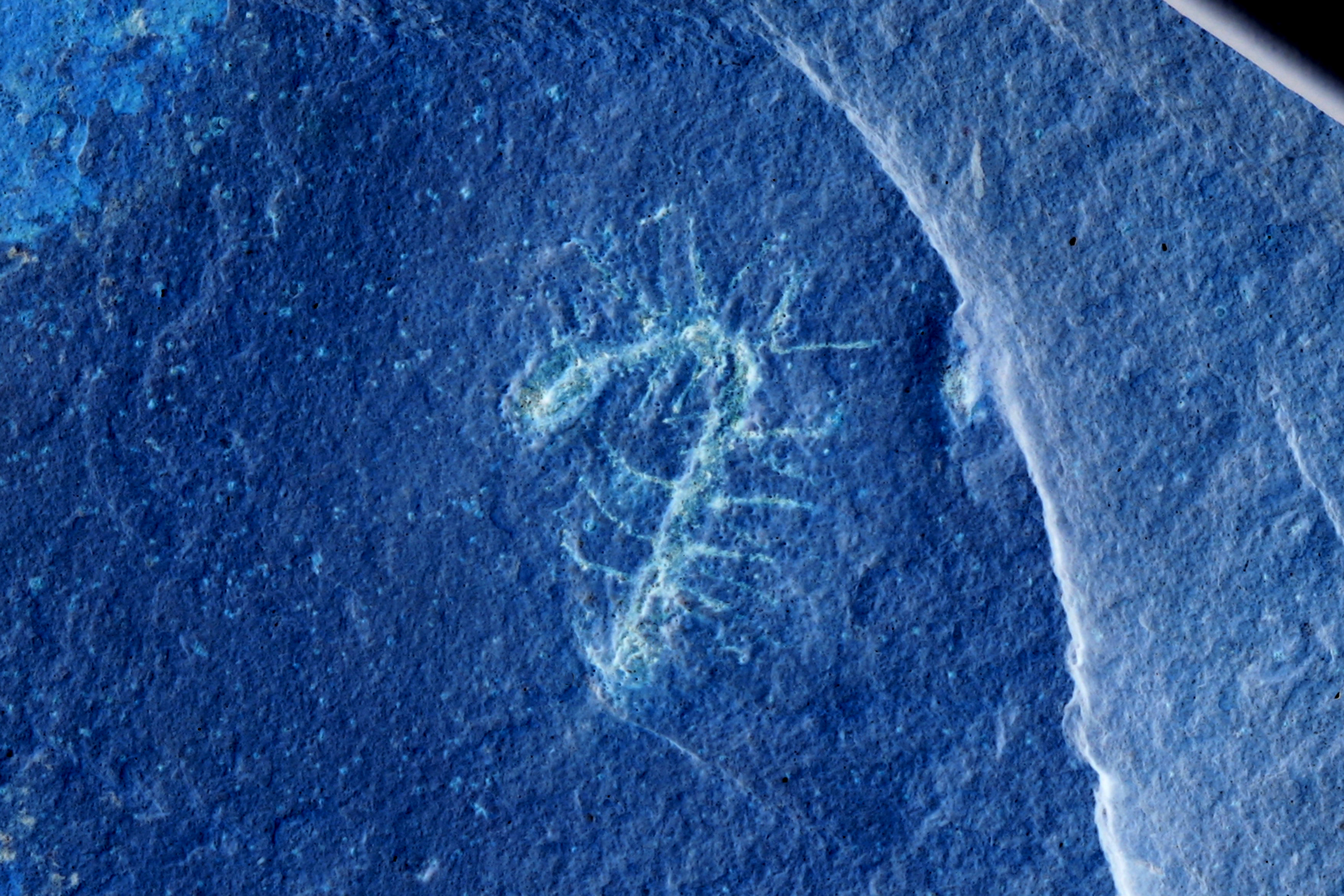
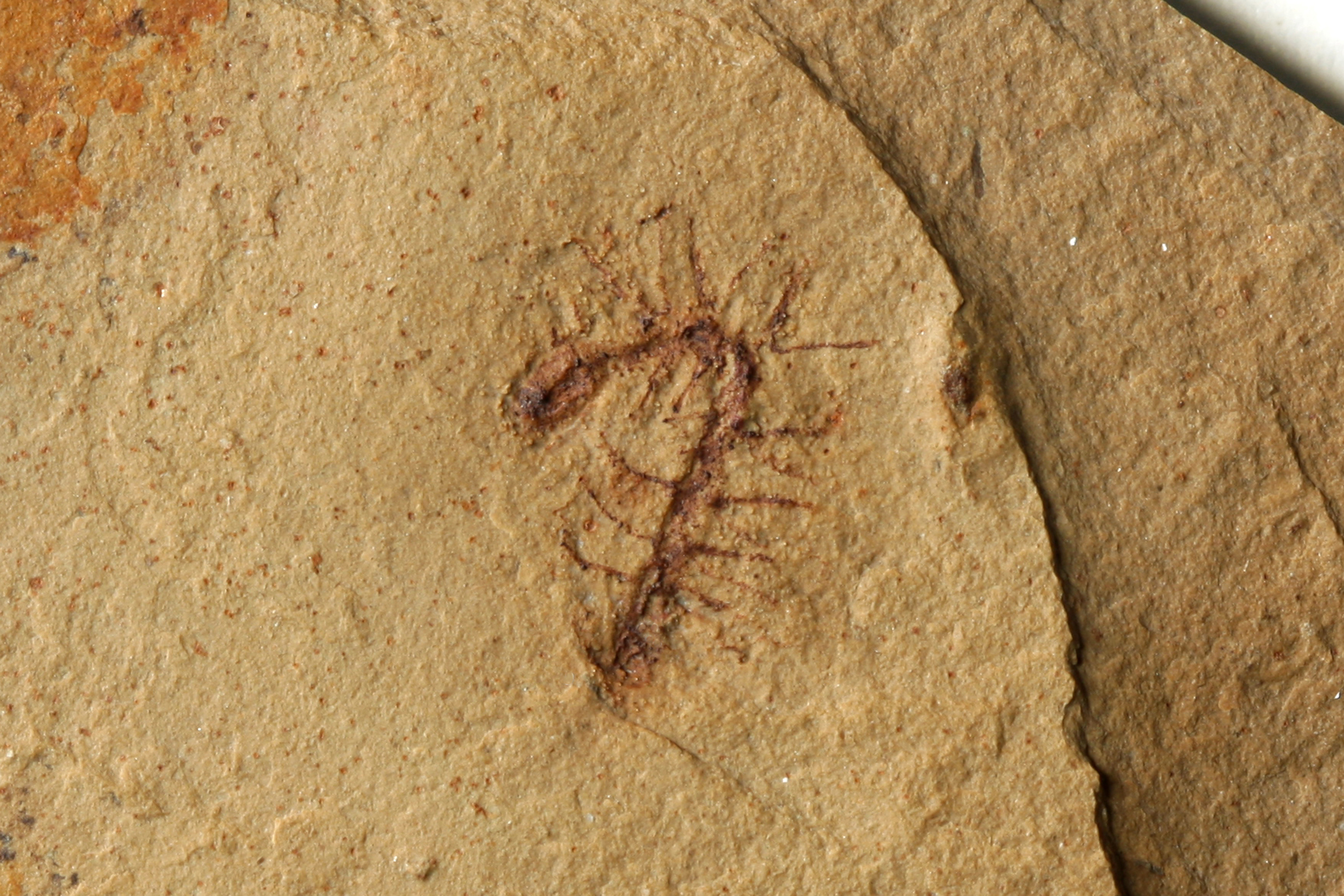
The specimen measures 1.7 cm around the curvature of its bent body and closely resembles the classic genus Hallucigenia with seven pairs of dorsal spines and seven visible walking legs. The head of the animal is well preserved and bulbous, with at least two of the smaller tentacle-like appendages or two smaller dorsal spikes showing. The walking legs show faint traces of preserved claw-like extensions. The trunk of the body is curved between the second and fourth set of spines/appendages. The specimen part/counterpart with top side of the animals trunk in the counterpart. The blue photo show the UV spectrum which often highlights harder to see delicate features.

Age: Lower Cambrian (Stage 3)

Species Name: Hallucigenia sp.

Order / Family: Scleronychophora / Hallucigeniidae

Locality: Esmeralda County, Nevada

Formation: Poleta Formation

Description

Few invertebrate fossils have the impact that lobopods do. Lobopods are so rare and so strange that its most well known genus – Hallucigenia – was named to reflect hallucination. This specimen is an undetermined lobopod species that comes from the Lower Cambrian (Stage 3) of the Poleta Formation in the remote mountains of Nevada. Soft bodied fossils are well known from the unit, especially radiodont appendages, phyllocarids and polychaete worms. This lobopod is extremely well preserved.  

The specimen measures 1.7 cm around the curvature of its bent body and closely resembles the classic genus Hallucigenia with seven pairs of dorsal spines and seven visible walking legs. The head of the animal is well preserved and bulbous, with at least two of the smaller tentacle-like appendages or two smaller dorsal spikes showing. The walking legs show faint traces of preserved claw-like extensions. The trunk of the body is curved between the second and fourth set of spines/appendages. The specimen part/counterpart with top side of the animals trunk in the counterpart. The blue photo show the UV spectrum which often highlights harder to see delicate features.

Age: Lower Cambrian (Stage 3)

Species Name: Hallucigenia sp.

Order / Family: Scleronychophora / Hallucigeniidae

Locality: Esmeralda County, Nevada

Formation: Poleta Formation
Additional information

Weight 11 oz
Age

Lower Cambrian

Specimen Details

Length: 1.7 cm

Matrix Dimensions

9.5 cm x 6 cm x 0.75 cm Weight: 11 oz