
Description
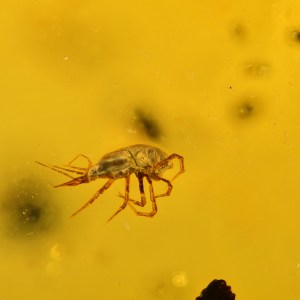
Burmese amber originates from the northern Myanmar, a region steeped in both natural and historical significance. This amber was formed approximately 99 million years ago, dates back to the transitional period between the latest Albian and the earliest Cenomanian stages of the mid-Cretaceous era.
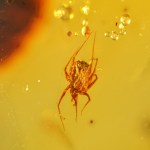
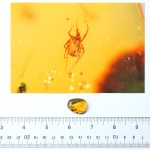
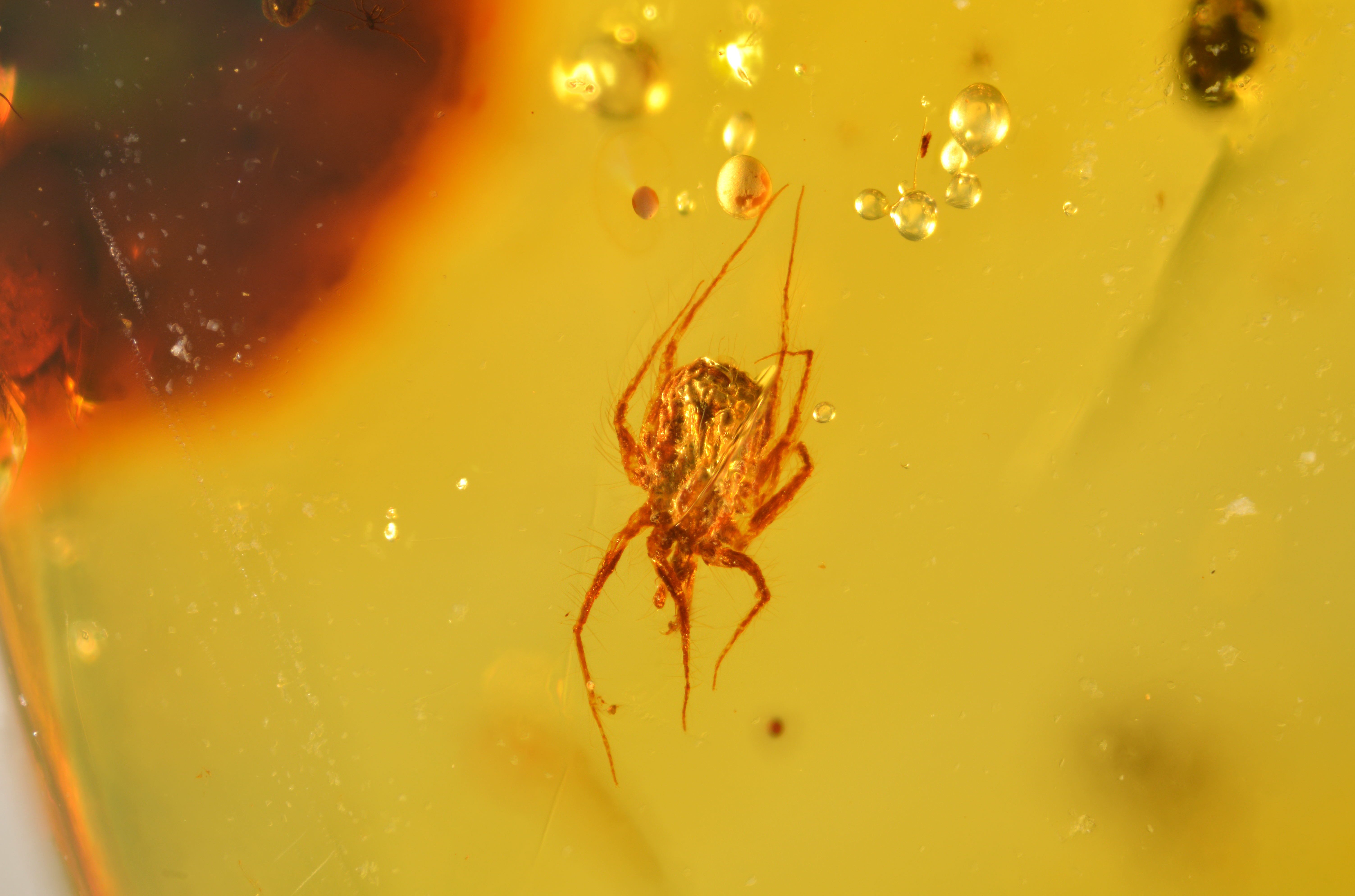
This fossilized resin preserves an incredible snapshot of ancient life, showcasing a diverse array of creatures. Among them are arthropods like insects and arachnids, as well as rarer finds such as birds, lizards, snakes, frogs, and fragments of dinosaurs.
Burmese amber use and trade date back as far as the first century AD.
The specimens, originating from the early 2010s, were collected and transported under humanitarian and non-conflict conditions. “An alternative perspective for acquisitions of amber from Myanmar including recommendations of the United Nations Human Rights Council”. Journal of International Humanitarian Action. 6 (1): 12. doi:10.1186/s41018-021-00101-y. ISSN 2364-3412. S2CID 235174183.